Lighting Tips That Transforms Any Room Instantly
Easy and friendly ideas for an immediate impact
4/6/20264 min read
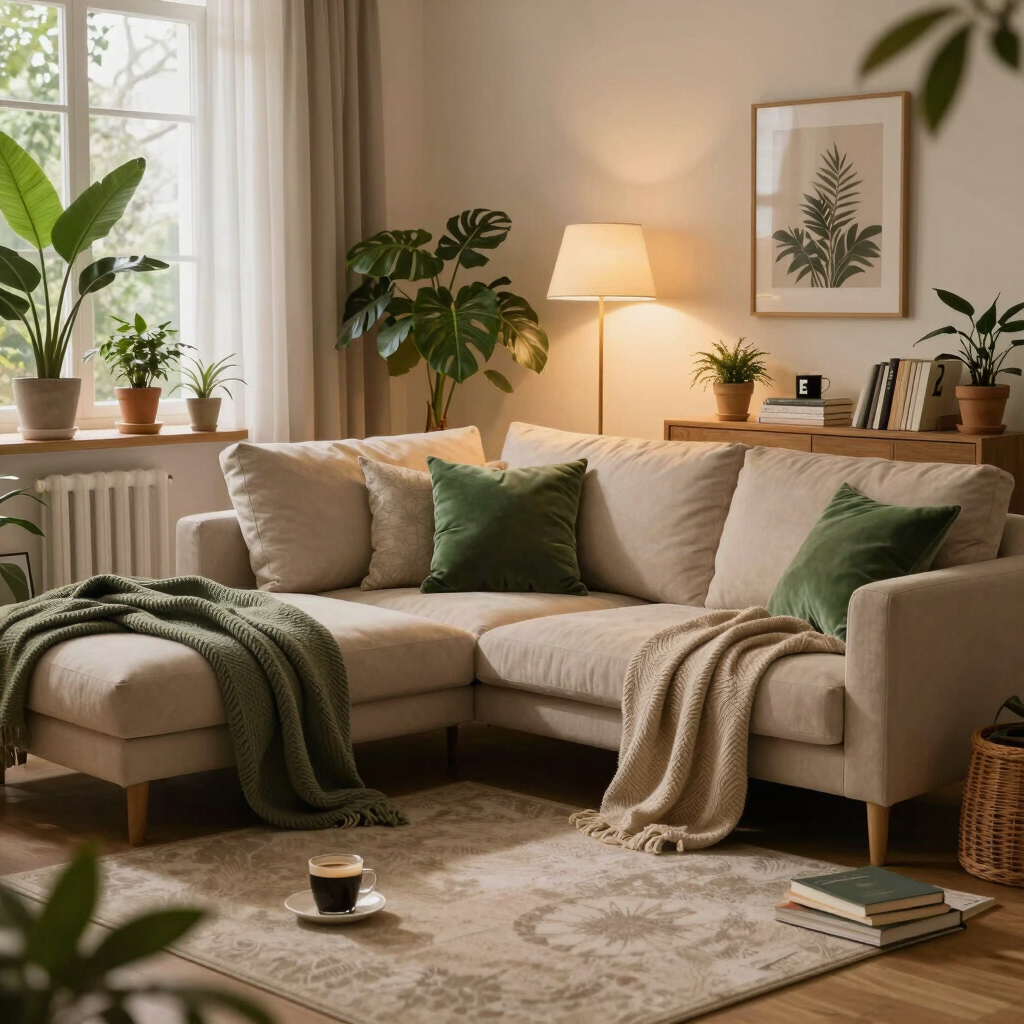
Lighting can transform a room faster than paint or furniture ever could. With the right choices, even small adjustments can change a space’s mood, depth, and functionality without a major remodel. By layering warm light, selecting the correct bulbs, and strategically placing fixtures, you can create a home that feels intentional, inviting, and visually balanced.
This guide explores how to set the mood, combine ambient and task lighting, and use color, shade, and texture to create drama or calm. You’ll find adaptable ideas for living rooms, kitchens, bedrooms, and workspaces—practical adjustments you can implement tonight.
Setting the Mood With Lighting
Small changes in color temperature and brightness have a significant effect on both how a room feels and how colors appear. Consider the purpose of each room and your daily schedule when selecting bulbs and fixtures.
Understanding Light Temperature
Measured in Kelvins (K), light temperature determines warmth and color accuracy. For warm, cozy living rooms and bedrooms, choose 2700K–3000K. This range enhances skin tones and deepens wood textures. For spaces that require clarity, such as kitchens, bathrooms, and home offices, 3500K–4100K provides bright, true whites.
It is important to consider how light interacts with paint and fabrics. Cool light above 4000K can make warm-toned walls appear washed out. Layering a warm table lamp beside a neutral overhead fixture can balance comfort with clarity.
Choosing the Right Brightness
Brightness, measured in lumens, should correspond to the room function:
Living rooms: 1,500–3,000 lumens
Kitchens: 3,000–4,000 lumens
Bedrooms: 2,000–3,000 lumens
For task areas such as reading nooks or kitchen counters, add 400–800 lumens per fixture. Match output to the fixture type and room size. Dimmable bulbs paired with compatible switches allow you to adjust lighting for different activities or times of day.
Layering Light for Maximum Impact
Effective lighting combines ambient, task, and accent layers to control mood, visibility, and visual interest.
Ambient Lighting
Ambient light serves as the room’s foundation. Ceiling-mounted fixtures or recessed cans provide general illumination. Select a color temperature appropriate for the room’s function and maintain moderate illuminance levels (150–300 lux for living spaces, 300–500 lux for kitchens and bathrooms).
Task Lighting
Task lighting focuses on specific activities. Examples include adjustable pendants over kitchen islands, under-cabinet LED strips, or swing-arm lamps beside reading chairs. Narrow-beam or directional fixtures help reduce glare on reflective surfaces.
Accent Lighting
Accent light highlights features such as artwork, textured walls, or architectural details. Use wall washers, track spotlights, or picture lights to create points of interest at 2–3× the ambient level. Separate switches or dimmers allow you to control accent lighting independently, layering brightness for different effects.
Strategic Fixture Placement
Correct placement ensures both functionality and aesthetic appeal:
Ambient fixtures: central or grid placement ensures even light distribution.
Task lights: position 12–18 inches from work surfaces, offset slightly to avoid shadows.
Accent lights: 30–36 inches from wall art or 18–24 inches from walls for even coverage.
Use dimmers and scene controls to create multiple atmospheres, such as bright “work,” soft “evening,” or selective “showcase” lighting.
Quick Hacks for Immediate Impact
Using Mirrors
Mirrors reflect natural and artificial light, enhancing brightness and depth. Place mirrors opposite or adjacent to windows and angle slightly to reduce glare. They also double as decorative focal points, reflecting lamps or candles for layered evening lighting.
Swapping Lampshades and Fixtures
Replacing shades with semi-opaque or translucent materials softens light without increasing wattage. Warm metal finishes like brass or copper enhance cozy tones, while matte black or bronze adds contrast. Upgrading to LED bulbs with a CRI above 90 ensures accurate color rendering.
Highlighting Architectural Features
Use adjustable recessed lights, wall washers, or LED strips to accentuate moldings, niches, or textured walls. Aim lights at a 30–45° angle to create depth without harsh shadows. Battery-powered or magnetic LED fixtures can provide temporary or flexible accent lighting in rental or adaptable spaces.
Color, Shade, and Texture Considerations
Bulb Color: Match temperature to room function—warm for bedrooms and living areas, neutral for kitchens, and cooler tones for offices.
CRI (Color Rendering Index): CRI 90+ ensures colors appear true and vibrant.
Textured Fixtures: Frosted glass or linen shades diffuse light softly; metal or woven shades create patterned shadows for visual interest.
Combining textures and finishes—like smooth brass with linen—balances brightness with warmth while preserving style.
Adapting Light to Room Function
Living Rooms
Use layered lighting with adjustable overhead fixtures (2700–3000K) and floor or table lamps for reading. Accent lighting, such as wall washers or picture lights, adds depth and reduces flatness. Bias lighting behind TVs reduces eye strain and improves contrast.
Bedrooms
Install warm, dimmable fixtures (2200–2700K) to promote relaxation. Bedside lamps of 200–400 lumens provide focused reading light. Motion-activated night lights prevent disruptive brightness during nighttime movement. Avoid cool-white light after sunset; consider smart bulbs that shift to warmer tones automatically.
Kitchens & Workspaces
Prioritize clarity with cooler, brighter lights (3500–4100K) for task-heavy areas. Layer overhead, under-cabinet, and pendant lights to provide both functionality and style.
Final Thoughts
Thoughtful lighting transforms both the look and feel of a room. By layering ambient, task, and accent lights, selecting proper color temperatures and brightness, and using fixtures to highlight features, you can create spaces that are inviting, functional, and visually dynamic. Small, strategic changes in lighting often make the most significant impact, turning any room into a warm, welcoming environment.
Bring These Ideas to Life: Our Top Product Picks
After reading our guide, you’re ready to transform your space—but why stop at inspiration? We’ve curated a selection of products that perfectly complement the lighting tips and design strategies discussed in this post. Each item is chosen to enhance warmth, style, and functionality in your home, making it easy to recreate a cozy, inviting atmosphere. Click through to explore our recommendations and start elevating your space today!
Living room.
Kitchen
Bedrooms
After checking out our recommended products, it’s easy to see how a few thoughtful touches can take a room from “meh” to “magnificent.” Layered lighting, stylish accents, and a little design magic make your space warm, functional, and oh-so-inviting. Thanks for reading our blog and sticking with us through these ideas—now go ahead, give your home the glow-up it deserves!